
The Allure of Casino Atmosphere
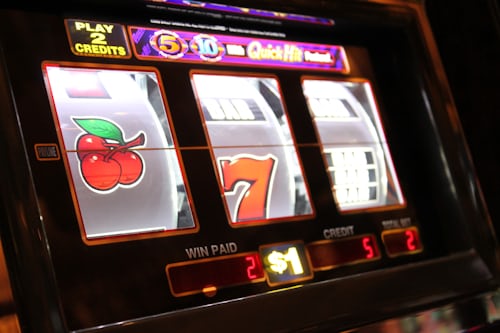
The environment of a casino is meticulously designed to engage the senses and create an atmosphere that encourages gambling. Bright lights, vivid colors, and the sounds of spinning reels and clinking chips evoke excitement and anticipation. This sensory overload can lead to a heightened emotional state that encourages individuals to gamble more than they might in a calmer setting. In fact, many players are drawn to online platforms that offer enticing features, such as bitcoin casinos, which enhance the thrill even further.

This captivating ambiance serves as a form of escapism for many. People seeking a break from their everyday lives may find solace in the unpredictable nature of gambling. The adrenaline rush that comes with placing a bet can be intoxicating, making it easy for individuals to lose track of time and money while immersed in the exhilarating atmosphere.
The Role of Cognitive Biases
Cognitive biases play a significant role in why people are drawn to casino games. The illusion of control is one such bias; players often believe they can influence the outcome of games of chance. This belief can lead individuals to make irrational decisions, thinking that their skills or strategies will affect results, especially in games like poker or blackjack. The idea that luck is on one’s side can be particularly compelling.
Additionally, the concept of “gambler’s fallacy” contributes to gambling behavior. This psychological phenomenon leads individuals to believe that past outcomes influence future events, causing them to chase losses or assume they are “due” for a win. These cognitive biases not only fuel the gambling experience but can also lead to problematic gambling behavior and addiction.
The Emotional Highs and Lows of Gambling
The emotional rollercoaster associated with gambling is a major factor that keeps individuals returning to casinos. Winning brings a rush of excitement and euphoria, often resulting in a dopamine release that reinforces the behavior. This pleasurable feeling can become addictive, creating a cycle where players continuously seek to relive that high through more gambling.
Conversely, the lows of losing can lead to feelings of frustration or despair, prompting some individuals to gamble even more in hopes of recovering their losses. This complex interplay of emotions can trap someone in a cycle of gambling that is difficult to break, as they chase the highs while grappling with the lows.
The Social Aspects of Gambling
Gambling is often a social activity, encouraging interaction and bonding among participants. Many individuals are drawn to casinos not solely for the games but also for the social atmosphere they provide. Gathering with friends or meeting new people at a gaming table can enhance the overall experience, making it more enjoyable and memorable.
This social aspect can further entrench gambling behavior, as individuals may feel a sense of belonging or validation within these environments. The shared experiences, coupled with the excitement of wagering, create a compelling reason for many to continue gambling, reinforcing the behavior in a social context.
Understanding Online Gambling and Its Implications
With the rise of online gambling, understanding the psychology behind these digital platforms becomes increasingly important. Online casinos offer convenience and accessibility that traditional establishments cannot match, attracting a new wave of gamblers. The anonymity of the internet can also exacerbate gambling behavior, as individuals may feel less accountable for their actions when gambling from home.
Furthermore, online platforms are designed to keep users engaged. Features such as bonuses, rewards, and the ability to play anytime create an environment where continuous gambling is easy and appealing. As more people participate in online gambling, it’s crucial to understand these psychological factors and their potential impact on gambling behavior.